Directions
Use as directed on the current product label or by a qualified physician.
Massage gently.

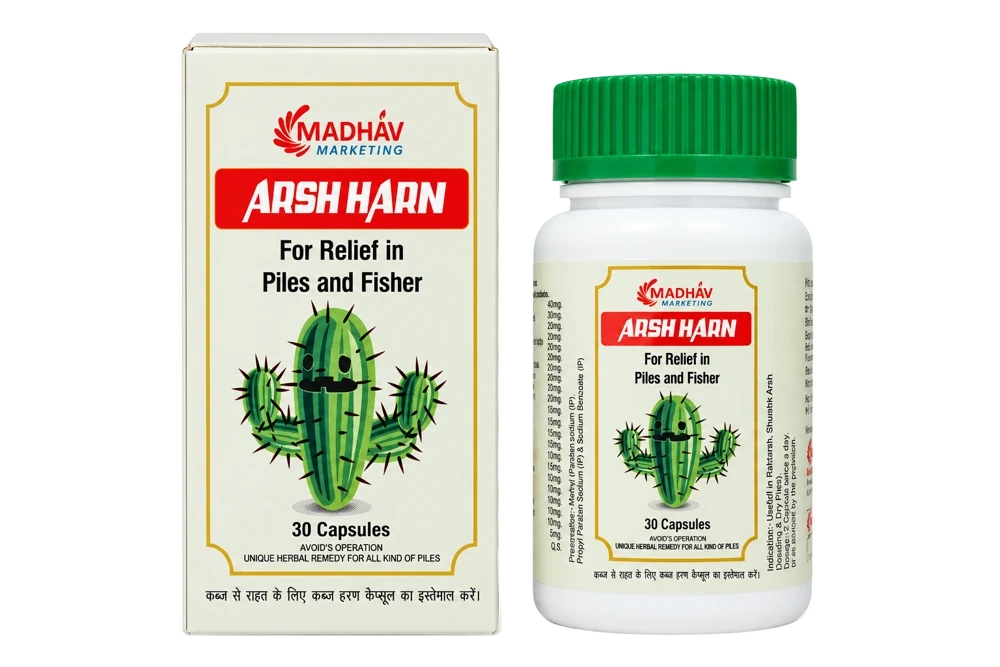 Pack & bottle
Piles & fissure care
The capsule format in the Arshharan care range. Explore the pack, composition and label directions below.
Traditionally used in piles care, including dry and bleeding piles as described on the pack. Use under a qualified physician’s guidance; rectal bleeding needs medical assessment.
For product and retailer enquiries: +91 94316 55050
INSIDE THE FORMULA
Each 500 mg capsule contains, as printed on the supplied panel.
Read the composition and directions on your product label.
Swipe left or right on an ingredient to open its profile.
Explore each ingredient’s Ayurvedic uses, its role in our products, and the material listed on the label. Follow the product directions and your physician’s advice.
| Ingredient / component | Benefit / formulation role | Quantity |
|---|---|---|
Badi Haritaki ext.Fruit | Added for digestive and bowel careFormulation roleWhy it is usedHarad is a classical Ayurvedic fruit used for digestive comfort and bowel regularity. Badi Haritaki fruit extract joins the other ingredients in the oral capsule recipe. | 40 mg |
Sunthi ext.Rhizome | Added for digestive warmthFormulation roleWhy it is usedGinger is a warming rhizome used in Ayurvedic digestive recipes and external massage preparations. Sunthi rhizome extract joins Haritaki and the other named ingredients in the oral capsule. | 30 mg |
Chitrak ext.Root | Added for traditional digestive supportFormulation roleWhy it is usedChitrak root is used in Ayurvedic preparations for appetite and digestion, with careful attention to preparation and amount. Chitrak root extract joins Haritaki, Safed jeera and the other ingredients in the complete oral capsule. | 20 mg |
Bel ext.Root | A bael-root extract component of Arshharan Capsules.Preparation dependentWhy it is usedBael fruit is traditionally described as digestive and astringent. Unripe and ripe fruit have different traditional bowel-related uses, while leaves and roots are separate medicinal materials. Shown with the plant part or preparation printed on the supplied panel. Check the current pack when comparing versions: leaves, roots, fruits and extracts can have different roles in an Ayurvedic blend. | 20 mg |
Pippalimool ext.Unripe fruit pulp | Included in the digestive-care combinationFormulation roleWhy it is usedPippali is a pungent Ayurvedic botanical used for digestive warmth, respiratory comfort and distinct external preparations. The label names Pippalimool extract but states unripe fruit pulp. This entry is preserved until the manufacturer confirms the plant part. | 20 mg |
 RasanjanRoot | A concentrated classical component of the capsule blend.Classical preparationWhy it is usedRasanjan commonly refers to a bitter concentrated preparation made from Daruharidra. Published pharmaceutical studies describe concentration of its decoction, sometimes with milk. Contributes the ingredient role highlighted above. The composition panel shows its identity and amount, helping you understand its place alongside the rest of the formula. | 20 mg |
Aloe ext.Kastha Satva | Included for the oral bowel-care combinationFormulation roleWhy it is usedGhritkumari is used in traditional digestive preparations, with the exact Aloe material determining its role. The label lists Aloe extract as Kastha Satva. This specified material joins the other capsule ingredients and is not relabelled as skin gel. | 20 mg |
Surana Purified PowderPatramaja | Prepared corm traditionally valued for carminative and digestive uses.Traditional useWhy it is usedSurana corm is traditionally described as carminative and used in preparations for digestive complaints. The supplied composition names a purified powder. Contributes the ingredient role highlighted above. The composition panel shows its identity and amount, helping you understand its place alongside the rest of the formula. | 20 mg |
NisothRhizome | Root traditionally used as a laxative and purgative.Traditional useWhy it is usedNishoth root is traditionally described as laxative, purgative and carminative. Herbal preparations use it to promote bowel evacuation in constipation. Shown with the plant part or preparation printed on the supplied panel. Check the current pack when comparing versions: leaves, roots, fruits and extracts can have different roles in an Ayurvedic blend. | 40 mg |
SanayRoot bark | A labelled senna component; check the pack for the plant part.Label detail to verifyWhy it is usedSenna leaf and fruit preparations contain stimulant-laxative constituents that help bowel movement. Specified oral preparations are used for short-term relief of occasional constipation. This established medicinal use concerns leaf or fruit, rather than an unverified root-bark ingredient. Shown with the plant part or preparation printed on the supplied panel. Check the current pack when comparing versions: leaves, roots, fruits and extracts can have different roles in an Ayurvedic blend. | 20 mg |
SauntLeaf | Identity needs confirmation before a benefit can be described.Identity to verifyWhy it is usedThe name Saunt does not identify the supplied botanical or preparation clearly enough to verify its properties. A specific health benefit cannot be described accurately until the ingredient identity is confirmed. A named component on the supplied formulation panel. Refer to the current approved label or manufacturer for its exact identity and preparation; the guide preserves the printed name for transparency. | 20 mg |
YavaniFruit | An aromatic spice traditionally used for digestive comfort.Traditional useWhy it is usedAjwain fruits have a strong, thyme-like aroma associated with their thymol-rich essential oil. They are traditionally valued as a carminative ingredient for digestive comfort and flatulence. Contributes the ingredient role highlighted above. The composition panel shows its identity and amount, helping you understand its place alongside the rest of the formula. | 15 mg |
Safed jeeraFruit | Added for digestive supportFormulation roleWhy it is usedJeera is a digestive spice valued in Ayurveda for appetite, gas-related discomfort and digestion after meals. Safed jeera fruit joins Haritaki and the other ingredients in the complete oral capsule. | 15 mg |
DhaniaFruit | Adds a pleasant aroma and flavour; traditionally used for digestion.Traditional useWhy it is usedCoriander fruits contain aromatic oil rich in linalool and contribute a warm, citrus-like flavour. They are also traditionally used as a digestive ingredient. Contributes the ingredient role highlighted above. The composition panel shows its identity and amount, helping you understand its place alongside the rest of the formula. | 15 mg |
NagkesharSeed | A labelled Nagkesar seed component in the capsule blend.Benefit not establishedWhy it is usedRead this component with the identity, plant part and quantity on this product’s composition panel. General ingredient research is explained separately in its profile. Shown with the plant part or preparation printed on the supplied panel. Check the current pack when comparing versions: leaves, roots, fruits and extracts can have different roles in an Ayurvedic blend. | 10 mg |
An aromatic component; the seed part needs confirmation before assigning resin properties.Label detail to verifyWhy it is usedAsafoetida is an aromatic gum-resin with a pungent smell and distinctive flavour. Shown with the plant part or preparation printed on the supplied panel. Check the current pack when comparing versions: leaves, roots, fruits and extracts can have different roles in an Ayurvedic blend. | 10 mg | |
Giloy SatvaExudate | A starch-rich classical preparation from giloy stems.Traditional useWhy it is usedGiloy satva is a starch-rich preparation obtained from Tinospora cordifolia stems. It has a traditional cooling role in Ayurveda. Contributes the ingredient role highlighted above. The composition panel shows its identity and amount, helping you understand its place alongside the rest of the formula. | 10 mg |
Triphala ext.Stem | A classical Triphala component listed on this panel.Label detail to verifyWhy it is usedTriphala combines amla, haritaki and bibhitaki fruits. It is traditionally used in digestive preparations and for bowel regularity. Shown with the plant part or preparation printed on the supplied panel. Check the current pack when comparing versions: leaves, roots, fruits and extracts can have different roles in an Ayurvedic blend. | 5 mg |
TakanFruit | A specific benefit cannot be verified until identity is confirmed.Identity to verifyWhy it is usedThe label name Takan does not establish a sufficiently clear chemical, botanical or preparation identity. Without that identification, a specific property or therapeutic benefit cannot be verified. No assumption is made that this component is borax or another similarly named ingredient. A named component on the supplied formulation panel. Refer to the current approved label or manufacturer for its exact identity and preparation; the guide preserves the printed name for transparency. | 25 mg |
Arshkuthar rasaMineral | A named classical compound in the capsule formula.Classical compoundWhy it is usedArshkuthar rasa is a named compound preparation rather than a single plant ingredient. A named component on the supplied formulation panel. Refer to the current approved label or manufacturer for its exact identity and preparation; the guide preserves the printed name for transparency. | 10 mg |
Mochras DEExudate | A plant-gum component in the capsule formula.Formulation roleWhy it is usedMochras is a gum or resinous exudate associated with the semal tree, Bombax ceiba. It contributes a plant-gum component to traditional preparations. Contributes the ingredient role highlighted above. The composition panel shows its identity and amount, helping you understand its place alongside the rest of the formula. | 10 mg |
 YavksharAsh extract | Provides a traditional alkaline ash-derived component.Formulation roleWhy it is usedYavkshar is an alkaline preparation traditionally obtained from barley-plant ash. It contributes an ash-derived alkaline component to Ayurvedic formulations. A processed classical component that forms part of the formula's Ayurvedic character. It is listed alongside the botanicals so customers can see the complete formulation. Follow the approved label and physician's directions. | 80 mg |
Bol ParpatiAs printed | A named classical compound in the capsule formula.Classical compoundWhy it is usedBol Parpati is a named compound preparation rather than a single plant ingredient. A named component on the supplied formulation panel. Refer to the current approved label or manufacturer for its exact identity and preparation; the guide preserves the printed name for transparency. | 5 mg |
 ExcipientsStarch, DCP, MCCP | Help form, carry, sweeten or stabilise a preparation.Formulation roleWhy it is usedExcipients support the physical properties of a preparation, such as its shape, texture, taste or consistency. They can act as carriers, fillers, sweeteners or stabilisers; their role is formulation support rather than a separate medicinal benefit. Formulation helpers contribute structure, carrying, flavour, preservation or stability, depending on the component. These practical roles help keep the preparation consistent and usable. | Q.s. |
PreservativesMethyl paraben sodium (IP), propyl paraben sodium (IP), sodium benzoate (IP) | Help inhibit unwanted microbial growth in a preparation.Formulation roleWhy it is usedPreservatives help inhibit unwanted microbial growth and maintain a preparation during its shelf life. Their benefit is formulation stability and protection from contamination; they are supporting ingredients rather than active components with a separate medicinal effect. Formulation helpers contribute structure, carrying, flavour, preservation or stability, depending on the component. These practical roles help keep the preparation consistent and usable. | As printed |
Pictures show the source plant or material. The composition lists the preparation and amount used. Explore the ingredient guide ↗
Names, identities and amounts follow the supplied panels; the approved current product label remains the final reference.
DIRECTIONS & CARE
Use as directed on the current product label or by a qualified physician.
Massage gently.
Keep in a cool, dry place and out of reach of children. Use under the guidance of a qualified physician.
CONTINUE EXPLORING
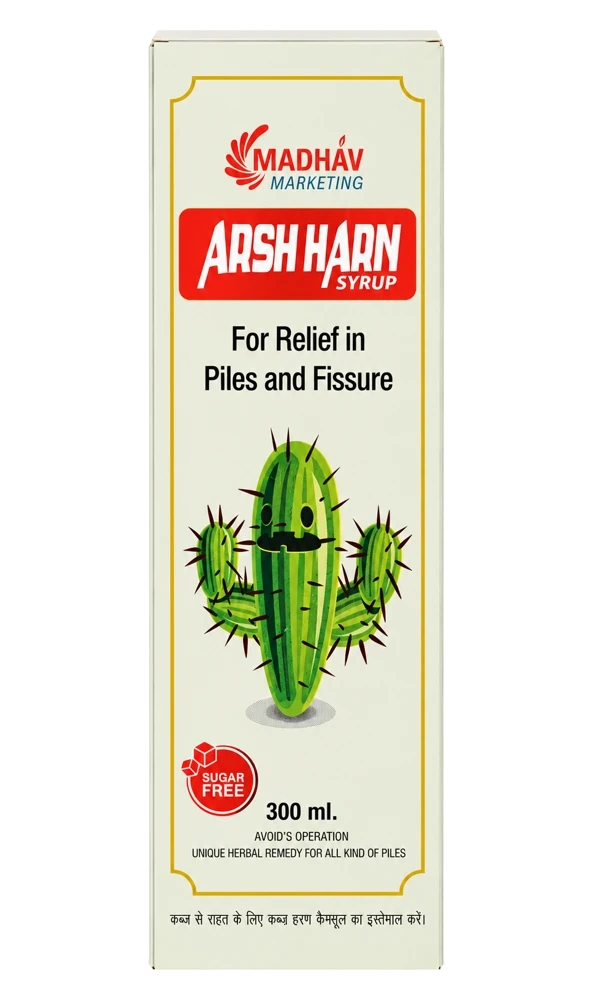 300 ml syrup
Piles & fissure care
Traditionally used in piles care; the pack describes use for itching and burning around the anus. Use with a qualified physician’s guidance, and get rectal bleeding medically assessed.
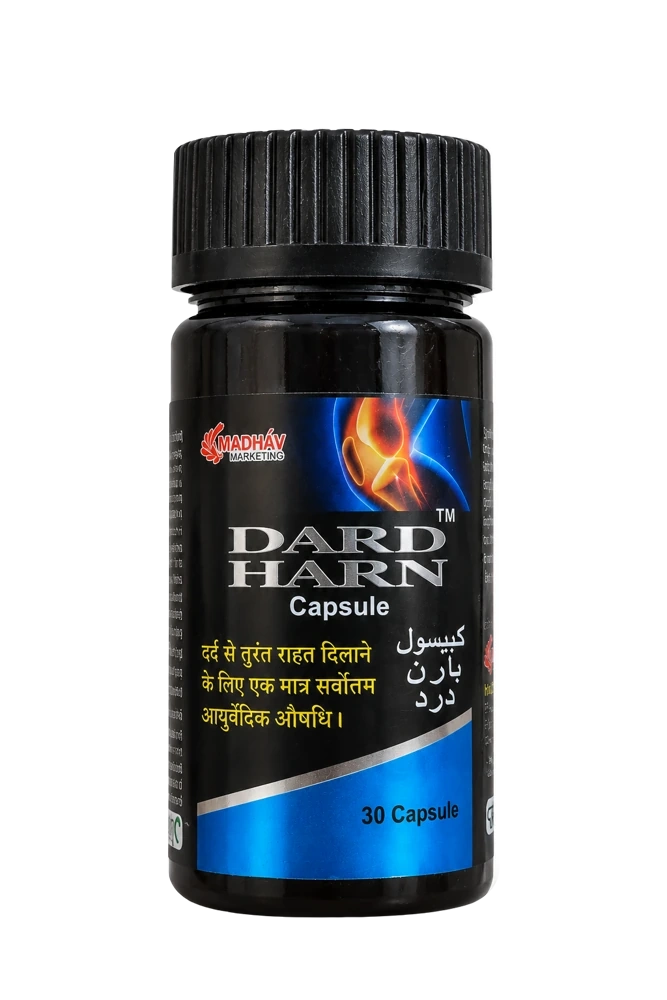 30 capsules
Joint & muscle care
Traditionally used for joint and muscle discomfort, including knee and back pain, as described on the pack. Use under a qualified physician’s guidance.
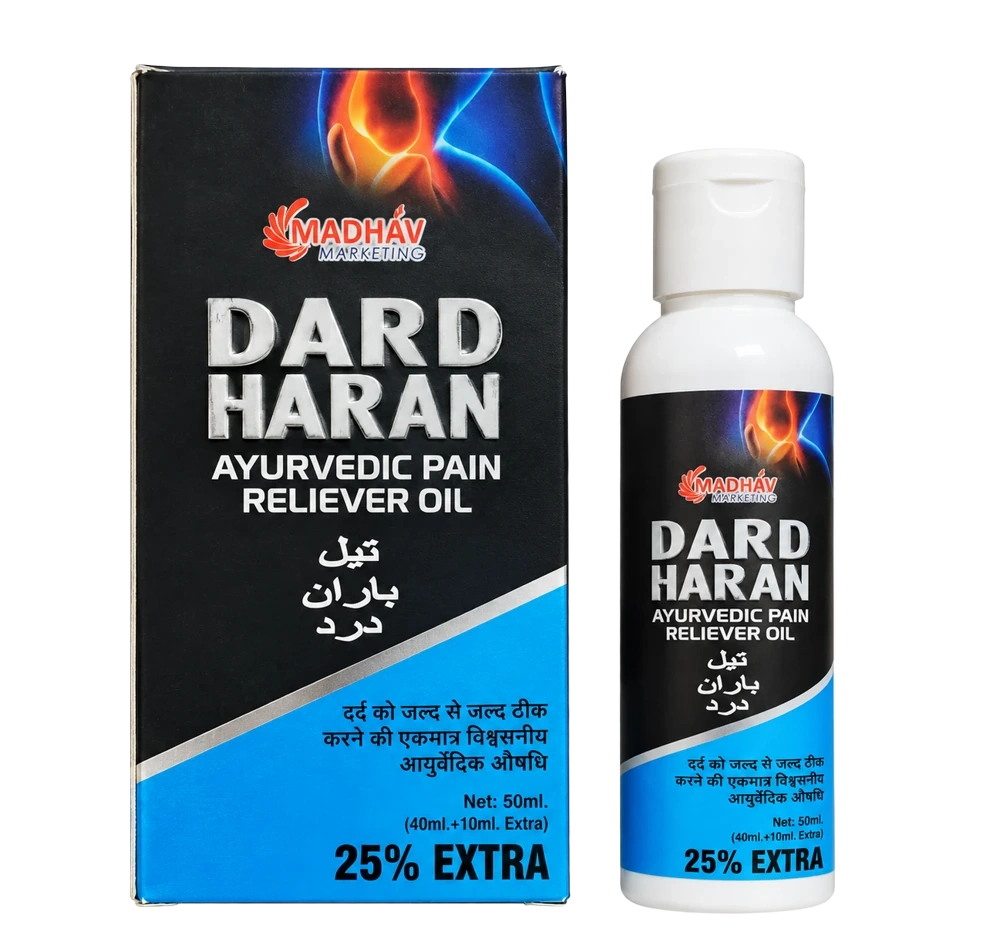 50 ml / 100 ml
Joint & muscle care
An external massage oil traditionally used for joint and muscle discomfort, including the back, neck and shoulders. Gently massage as directed on the pack; for external use only.